In hospitality, lighting does more than illuminate a space. The warmth of a restaurant, the calm of a hotel room, the energy of a bar, and the professionalism of a conference suite are all shaped by light as much as by interiors. As a UK manufacturer, we supply LED lighting for hotels, restaurants, bars, function rooms, and hospitality venues of every type and scale.
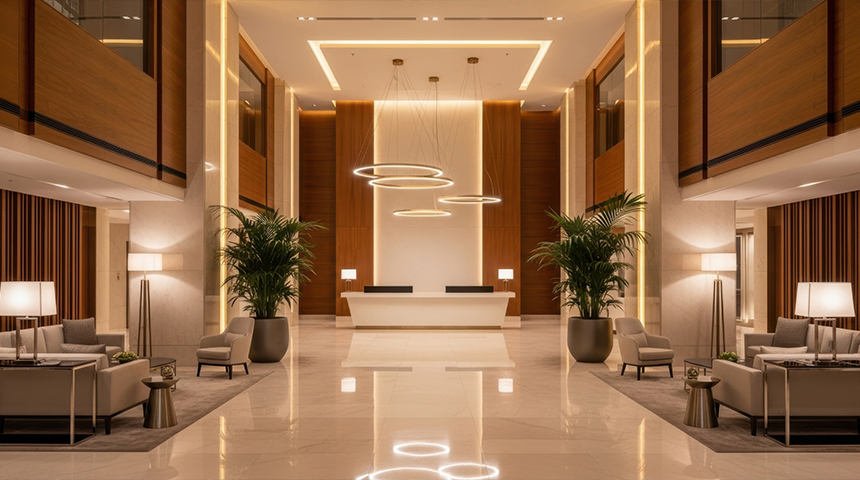
Recommended Products for Hospitality Lighting
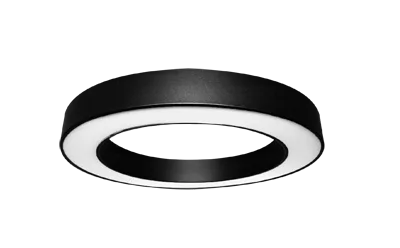
Solar
Architectural circular suspended feature pendant.
View Specification →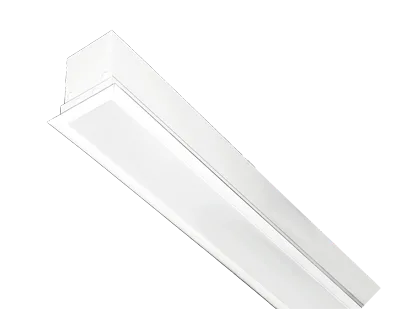
Meridian Rc
Recessed architectural linear lighting solution
View Specification →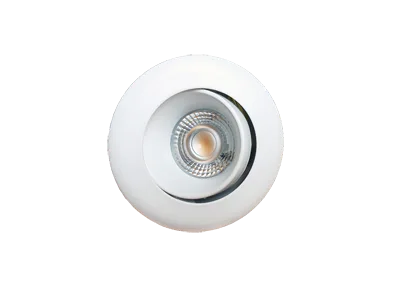
QDT
Architectural 30° adjustable recessed low glare downlight
View Specification →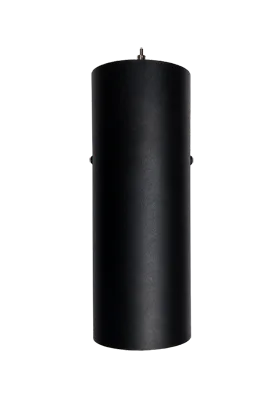
Shuttle 100
A stylish tubular feature pendant
View Specification →Unsure which product is right for your project?
Our technical team can advise on the most suitable products for your specific space type, ceiling height and controls requirements.
Why lighting matters more in hospitality
Hospitality businesses are built on the experience they create, and lighting plays a larger role in that than many operators realise. The right colour temperature makes food look more appetising and skin tones more flattering. A well-set dimming scene can shift a bright lunch service into an intimate dinner without moving a single piece of furniture. Accent lighting draws the eye to the architectural details or artwork that give a venue its character.
A hotel or restaurant is also a working building with the same practical demands as any commercial environment. Back-of-house kitchens need 500 lux task lighting. Corridors need adequate illuminance for safety and wayfinding. Plant rooms, stores, and service areas need practical, reliable fittings. The best hospitality lighting schemes serve both the guest experience and the operational requirement equally well.
Contrac Lighting manufactures LED luminaires in-house at our East Yorkshire factory, supplying hotel developers, restaurant groups, pub companies, and fit-out contractors across the UK. Our technical team can advise on product selection, CCT, CRI, dimming compatibility, and controls integration at any stage of a project.
Contrac Lighting is ISO-certified. We manufacture luminaires at our Goole factory, with every stage from fabrication through to final tests handled in-house.
Application requirements
The table below sets out the maintained illuminance, colour rendering, and colour temperature guidance for each hospitality space type. Unlike many commercial environments, hospitality design often prioritises atmosphere and guest experience alongside the minimum technical requirements of BS EN 12464-1.
| SPACE TYPE | LUX (EM) | UGRL | U0 | RA |
|---|---|---|---|---|
| Restaurant, dining areas | 200 | 22 | 0.4 | 90 |
| Bar and lounge areas | 100–200 | 22 | 0.4 | 80 |
| Hotel lobby and reception | 200–300 | 22 | 0.4 | 80 |
| Hotel guest rooms | 100–300 | 19 | 0.4 | 80 |
| Hotel bathroom | 200 | 25 | 0.4 | 80 |
| Conference and meeting rooms | 500 | 19 | 0.6 | 80 |
| Function and event spaces | 200–500 | 22 | 0.4 | 80 |
| Spa and wellness areas | 100–200 | 19 | 0.4 | 80 |
| Hotel corridors and circulation | 100 | 25 | 0.4 | 80 |
| Kitchen and food preparation | 500 | 22 | 0.6 | 80 |
| Staff areas and back-of-house | 200–300 | 25 | 0.4 | 60 |
| External entrance and facade | As designed | — | — | 80 |
| Car park and external areas | As designed | — | — | 40 |
Space-by-space guide
A hotel or hospitality venue contains a wider range of spaces than almost any other building type, and each one has its own atmosphere, technical requirements, and operational demands.
Restaurants and dining areas
Restaurant lighting is one of the most considered briefs in commercial lighting. Lux level, colour temperature, and the contrast ratio between accent and ambient lighting together determine whether a space feels intimate, energetic, or clinical, and they can make the same room feel completely different at lunch and at dinner. A warm CCT of 2700K to 3000K renders food colours accurately and flatters skin tones, making it the standard choice for restaurant dining. Ra 90 is the practical minimum so that food presentation reads as intended. Full dimming on all circuits allows the transition from bright lunchtime service to a lower, more atmospheric evening sitting without changing a single luminaire.
Bars and lounges
Bars and lounge areas typically run at lower ambient lux than restaurants, using contrast between the general ambient and focused accent sources to create interest and draw the eye. The bar counter itself is usually the brightest element in the space, signalling where service is. Back-bar displays and bottle shelving work well with discreet accent or strip lighting that highlights product without pulling attention away from the wider atmosphere. A warm CCT of 2700K or below suits most bar environments, with cooler tones used in contemporary venues where a sharper, more modern character fits the brief.
Hotel lobbies and reception
The hotel lobby is the first space a guest sees, and the lighting has to work for two very different purposes at once. The reception desk needs enough light for staff to work at screens and process check-ins efficiently. The wider lobby, lounge areas, and seating should feel warm and welcoming. A CCT of 3000K sits comfortably between the warmth guests expect and the cleaner, more professional feel appropriate for an arrival space. Accent lighting on artwork, architectural features, or floral arrangements adds character without requiring a dedicated feature circuit.
Hotel guest rooms
Guest room lighting has to serve a wide range of uses: reading in bed, dressing, working at a desk, relaxing, and sleeping. The only practical way to meet all of these is through independently controlled circuits, with separate switching for bedside, desk, ambient, and bathroom, allowing guests to set the room up for their own needs. A warm CCT of 2700K throughout, with a maximum ambient of around 150 to 200 lux, creates a calm, comfortable atmosphere. Bedside reading lighting should reach 300 lux at book height. Black-out blinds and full dimming to minimum are expected in anything above budget accommodation.
Conference and function spaces
Conference rooms and function suites are among the most demanding spaces to light because they serve so many different purposes. A formal board meeting, a wedding breakfast, a training session, and a gala dinner might all use the same room in the same week. Full dimming across all circuits is essential, with at least three pre-set scenes covering presentation, dining, and full ambient use. Where AV screens or projectors are installed, a low-level scene that dims luminaires around the screen without making the rest of the room unusable is a practical necessity. A CCT of 3000K to 4000K covers the range of uses without feeling too warm for daytime working or too cool for an evening event.
Hotel corridors and circulation
Hotel corridors are used at all hours but are rarely busy, making them a good candidate for presence detection. The lighting should feel warm and in keeping with the rest of the hotel, at a level that allows safe navigation without disturbing guests at night. A night-dimming scene that reduces output automatically in the small hours is a practical and energy-saving feature in larger properties. Wall-mounted luminaires or concealed linear sources tend to create a softer, more residential feel than ceiling downlights, which suits a hotel corridor better than the clinical look of a commercial building.
Kitchens and back-of-house
Commercial kitchens need functional, reliable lighting above all else. Five hundred lux at the working plane, a neutral 4000K CCT, and luminaires rated for steam, splashing, and regular chemical cleaning are the core requirements. Wipe-clean front faces and minimal horizontal surfaces keep hygiene risk low and make daily cleaning straightforward. Back-of-house areas including stores, staff rooms, linen rooms, and service corridors need practical, lower-lux fittings, with presence detection to manage energy use in spaces that are in and out of use throughout the day.
Emergency lighting
Emergency lighting is mandatory throughout a hospitality venue and should be planned from the outset. Hotels are particularly complex because guest rooms and areas in use overnight all need coverage, and guests unfamiliar with the building must be able to find their way to an exit safely. BS 5266-1 requires a minimum of 1 lux on escape route centrelines and 0.5 lux in open areas exceeding 60m², with exit signs visible from all points along escape routes. Self-test emergency luminaires reduce the manual testing burden considerably in hotel environments, where access outside operating hours is limited and disruption to guests must be kept to a minimum.
Standards & compliance
Hospitality lighting specifications involve several overlapping standards. Below are the most commonly referenced across hotel, restaurant, and venue projects in England, Scotland and Wales.
BS EN 12464-1: Lighting of Indoor Work Places
The primary reference standard for maintained illuminance levels, uniformity, glare limits, and colour rendering across all occupied areas of a hospitality venue. Applied to kitchens, restaurants, conference rooms, reception desks, corridors, and back-of-house staff areas. In guest-facing spaces, the atmospheric brief typically takes precedence over the minimum BS EN 12464-1 requirements, with dimming used to modulate illuminance within the design range.
BS 5266-1: Emergency Lighting
Governs emergency lighting provision across all areas of a hotel or hospitality venue. Specifies a minimum of 1 lux on escape route centrelines and 0.5 lux in open areas exceeding 60m², with exit signs visible from all points along escape routes. Hotels require particular attention to escape route provision because guests may be unfamiliar with the building layout and emergency events can occur during the night when ambient lighting is at its lowest.
BS EN 1838: Applied Lighting. Emergency Lighting
European standard covering emergency escape, standby, and open-area lighting. Referenced alongside BS 5266-1 on all hospitality projects. Specifies minimum illuminance levels, duration requirements (typically three hours), and uniformity targets for emergency luminaires. Self-test systems, which eliminate the need for manual monthly testing, are especially practical in hotel environments where access to luminaires in guest corridors must be minimised.
BS 7671: IET Wiring Regulations (18th Edition)
Defines the zone classification requirements for bathrooms, shower rooms, and other wet locations within hotels and leisure venues. Luminaires in hotel bathrooms must be rated for the appropriate zone: IP44 as a minimum for Zone 2 (outside the bath or shower), rising to IP65 for Zone 1 (directly above the bath basin or shower area). Compliance with BS 7671 zone classifications is mandatory for all hotel bathroom electrical installations.
Building Regulations Part L: Conservation of Fuel and Power
Applies to new-build and substantially refurbished hospitality buildings. The 2021 revision raises efficacy requirements and mandates controls capable of demonstrating demand response capability. Hotels and other venues that operate around the clock benefit significantly from absence detection and dimming controls, both for Part L compliance and for reducing energy costs in areas that are not always occupied.
BS EN 13201: Road Lighting
Applied to hotel car parks, approach roads, and external circulation areas. Defines maintained illuminance, uniformity, and glare limits for different road and parking classifications. External areas at hospitality venues are the first thing a guest sees on arrival and the last thing on departure, making the quality and consistency of external lighting a genuine contributor to the overall guest impression as well as a safety and security requirement.
Bespoke Hospitality Lighting Lighting Solutions
From CIBSE-compliant lighting designs to custom architectural fabrication, our Goole-based engineering team is ready to support your project requirements. Contact us for specification pricing, photometrics, and lead times.